
The Quiet Warning Signs Your Property Management Isn’t Working (Even If Nothing Is “Wrong”)
Most rental owners believe problems only exist when something obvious breaks, like a missed rent payment, a major repair, or an angry tenant.But the majority of underperforming management relationships do not explode, they slowly erode value, and the dangerous part? Nothing feels urgent enough to change.
February is one of the most revealing months of the year for rental performance. The holidays are behind us. Spring leasing season has not begun. Things feel calm. That calm is either a sign of stability or a sign no one is actively managing the asset.
Here are the subtle indicators your property management may be costing you money even while everything appears fine.
You Only Hear From Them When Something Goes Wrong
If communication mainly happens when a tenant complains, a repair is needed, or a lease is expiring, that is not proactive management. It is reaction.
Strong management prevents problems before they surface.
Owners should regularly receive:
• Rental market positioning updates
• Preventative maintenance recommendations
• Inspection observations and condition trends
• Strategic renewal planning well before expiration
Silence is not efficiency. Silence is often neglect disguised as stability.
Your Rent Has Not Changed in Years
Many owners feel relief when rent remains the same because it avoids difficult conversations, but frozen rent is one of the most expensive hidden losses in long term ownership.
Small, consistent annual adjustments protect tenant relationships while keeping pace with rising insurance, taxes, and maintenance costs. Waiting three to five years forces a large increase, which dramatically increases turnover risk.
Good managers adjust gradually. Average managers avoid the conversation. Poor managers simply renew whatever the tenant asks for.
If renewals happen without discussion, analysis, or explanation, your property is drifting behind the market every single year.
Inspections Are “Drive By” or Only at Move Out
The most expensive repairs rarely happen overnight. They develop slowly:
• HVAC filters never changed
• Minor leaks under sinks
• Failed caulking in showers
• Dryer vents clogging over time
When inspections only occur at move out, maintenance turns into replacement.
A structured inspection schedule exists to protect the life of the home, not to police tenants. Preventative observation is what separates asset management from simple rent collection.
You Are Unsure What They Actually Do Each Month
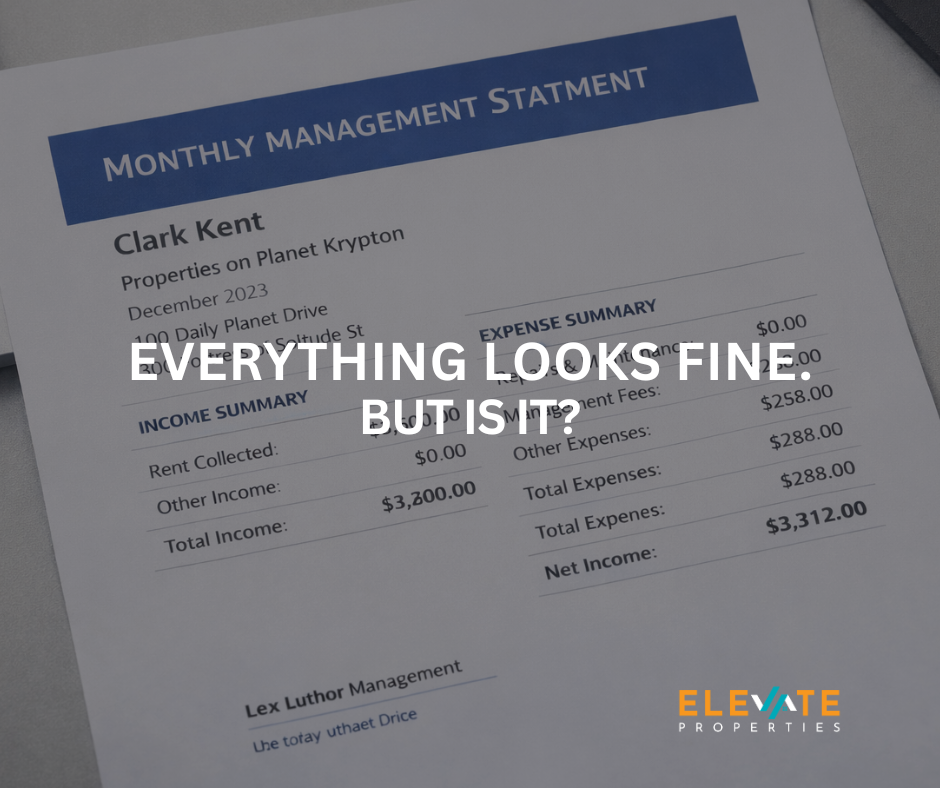
A monthly statement is not management. Property management is not measured by transactions. It is measured by decisions being made on your behalf.
Ask yourself:
Do they recommend improvements, or just process invoices?
Do they explain trends, or just send numbers?
Do they give options, or just ask for approval?
If you feel like your manager is waiting on you to lead the investment strategy, then you are still self managing with a middleman.
Renewals Feel Last Minute
Lease renewals should never feel rushed. A renewal is a strategic checkpoint, not paperwork.
Well before a lease expires, your manager should already understand:
• Tenant payment history
• Property condition trends
• Current market rent positioning
• Your long term goals for the asset
Without preparation, decisions default to convenience; and convenience almost always favors the short term over long term value.
Why February Matters
This time of year is the calm before peak leasing season.
The strongest managers use this window to:
• Evaluate rent positioning before spring demand rises
• Schedule preventative maintenance before summer strain
• Identify tenants likely to renew or relocate
• Adjust strategy while flexibility still exists
Waiting until March or April removes leverage. By then, you are reacting to the market instead of guiding your position within it.
The Real Role of a Property Manager
A property manager should not simply operate the property; they should manage the outcome. That means thinking months ahead, identifying trends early, and making recommendations before problems exist.
When management is done correctly, owners experience fewer emergencies; not because nothing happens, but because decisions were made earlier.
You should not feel overwhelmed owning a rental, but you also should not feel uninformed.
If everything feels quiet while you remain confident about the condition, performance, and future of the property, that is effective management.
If it feels quiet because you rarely hear anything at all, it may be time to ask deeper questions.
A Simple Check You Can Do Today
Send your property manager this message:
“What should we be preparing for over the next 90 days with this property?”
A strong manager will have a clear, specific answer. A reactive one will need time to figure it out. That difference often determines whether a rental grows in value or simply exists.
Property management should not feel transactional. It should feel intentional, strategic, and aligned with your long term goals.
At Elevate Properties, we put People over Process while protecting the performance of your asset. That means proactive planning, clear communication, and management that looks ahead instead of reacting behind.
If you want clarity on what your property should be preparing for next, we would be glad to walk through it with you.
Elevate Properties
Property Management Redefined